
Arrest Records in Clackamas County
An arrest record is created at the point of arrest and booking, not in the courtroom. The Clackamas County Sheriff's Office runs the jail and the Records Unit that keeps arrest reports, citations, and booking data. City police agencies also make arrests within their limits. Sheriff Angela Brandenburg leads the county office, and the Records Unit works around the clock.
An arrest record is different from a criminal court record. The arrest record covers the booking and the charges as written by police. The court record begins only when the District Attorney files charges. For full case history, charges, pleas, and judgments, use the Clackamas County court records page. This page stays focused on arrests and the records the sheriff holds.
How to Search Clackamas County Arrest Records
There is no single arrest blotter that lists every recent booking with a mugshot. Instead, you piece it together. The jail roster shows who is in custody now. The Sheriff's Records Unit fills report requests. Arrests are authorized by warrants and probable cause under Oregon law.
Oregon's arrest and warrant rules sit in ORS Chapter 133.
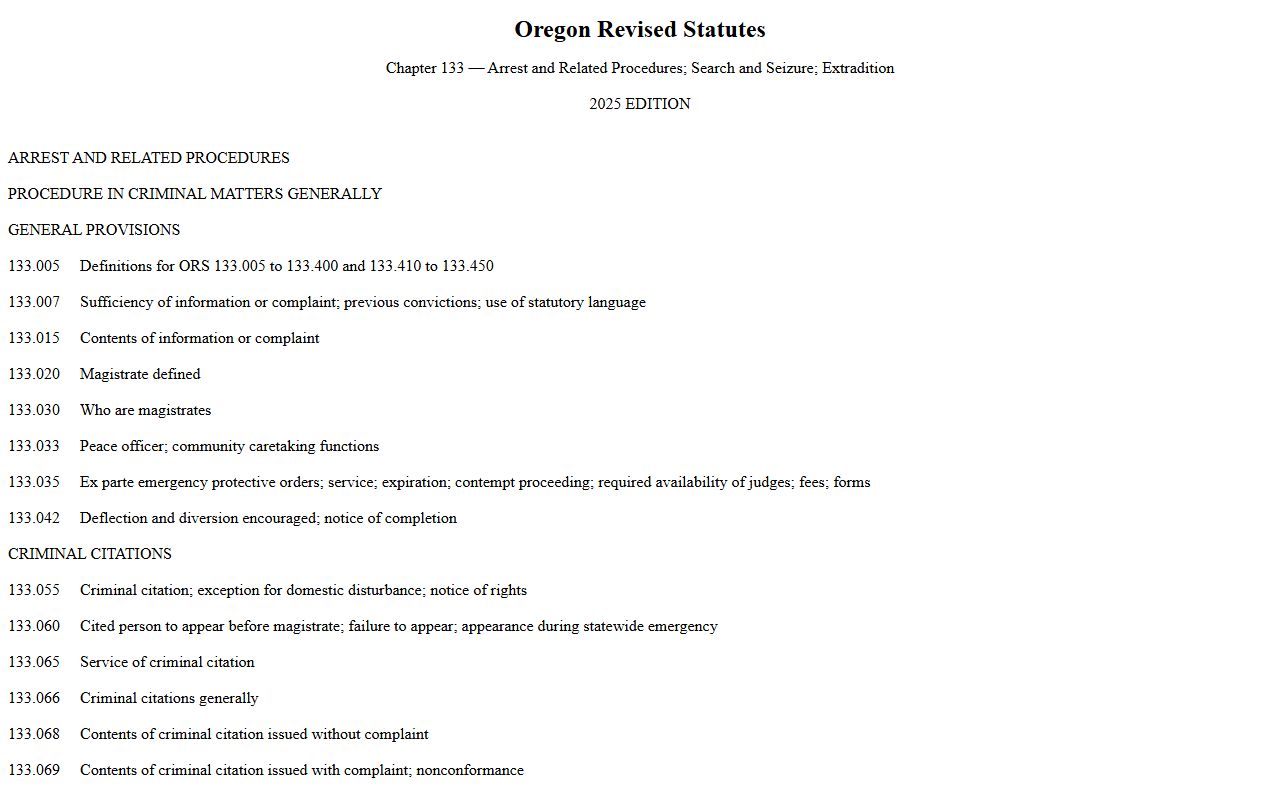
That chapter governs when an arrest or search warrant may issue, which shapes what ends up in an arrest record.
The Sheriff's Office runs its tools through one official site.
Start at the Clackamas County Sheriff's Office site for the jail roster, records, and warrant tools.
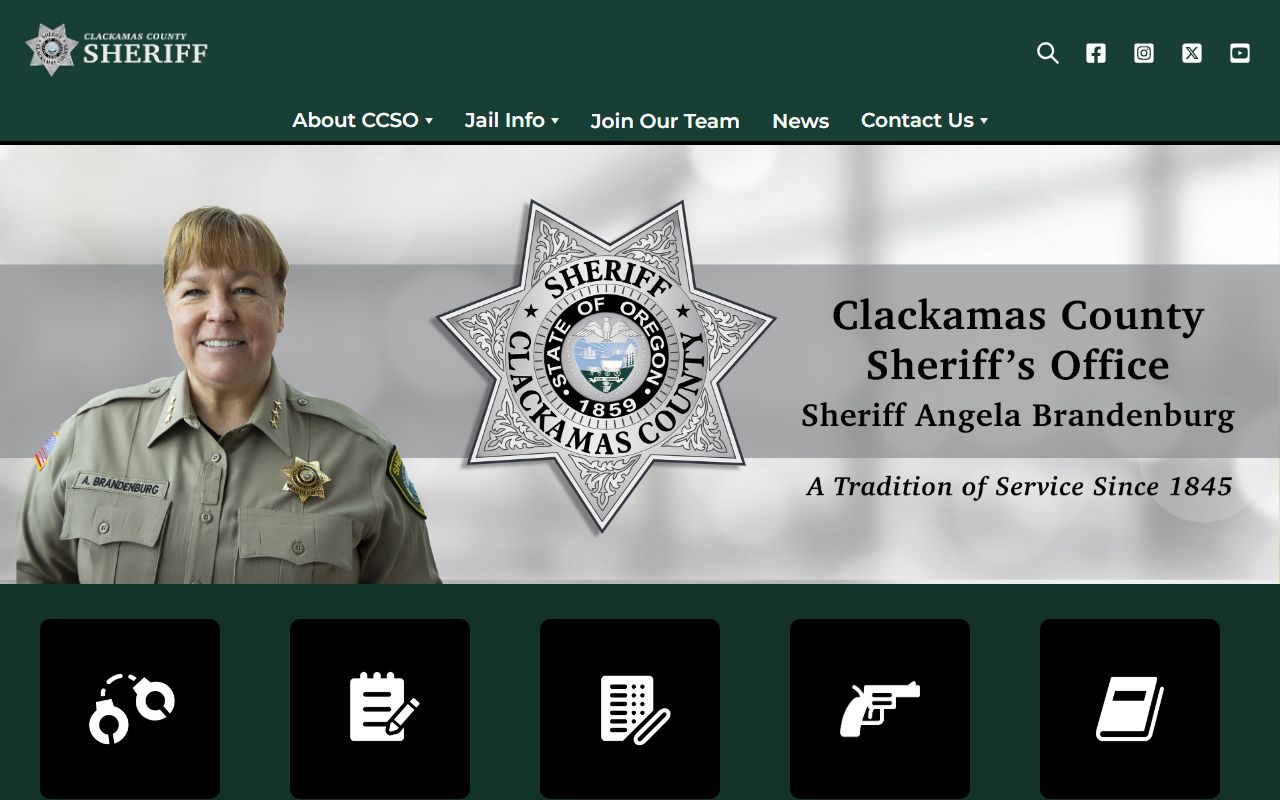
From there you reach the adults-in-custody roster and the records request options. A basic arrest-records search runs like this:
- Check the sheriff's Adults in Custody roster for anyone currently in jail.
- Request a police or incident report from the Sheriff's Records Unit for a specific arrest.
- Run the person's name through OJD court search to see if charges were filed.
- For a formal background check, use the Oregon State Police criminal history process.
Arrest Records vs. Criminal Court Records
People mix these up often. An arrest record is a law enforcement record. A criminal court record is a judicial record. They come from different offices and hold different things.
| Arrest Record | Criminal Court Record | |
|---|---|---|
| Source | Sheriff or police | Circuit Court clerk |
| Created When | Arrest and booking | District Attorney files charges |
| Contents | Booking info, charges as cited, mugshot | Pleadings, motions, plea, disposition |
| Where to Find | Sheriff's Records Unit | OJD search and Records Center |
Mugshots and Booking Photos
A booking photo is taken when a person is processed into the jail. In Oregon, these are law enforcement records held by the sheriff. There is no official, public mugshot gallery on the county site. To get a booking photo tied to a specific arrest, you submit a records request to the Sheriff's Records Unit, which may charge for photos.
Be careful with private mugshot sites. They are not official and often charge to remove an image. The county's own records are the reliable source, and a booking photo alone says nothing about guilt.
Charges vs. Convictions
A charge is an accusation. A conviction is a finding or plea of guilt. The gap between them matters. Many charges are reduced, dismissed, or never proven. Reading an arrest record as a list of convictions is a common and serious mistake.
| Charge | Conviction | |
|---|---|---|
| Stage | Accusation at or after arrest | Verdict or guilty plea |
| Proof Needed | Probable cause | Beyond a reasonable doubt |
| Outcome | May be dropped or reduced | Sentence imposed |
| Public Record | Usually yes | Usually yes |
The Clackamas County District Attorney
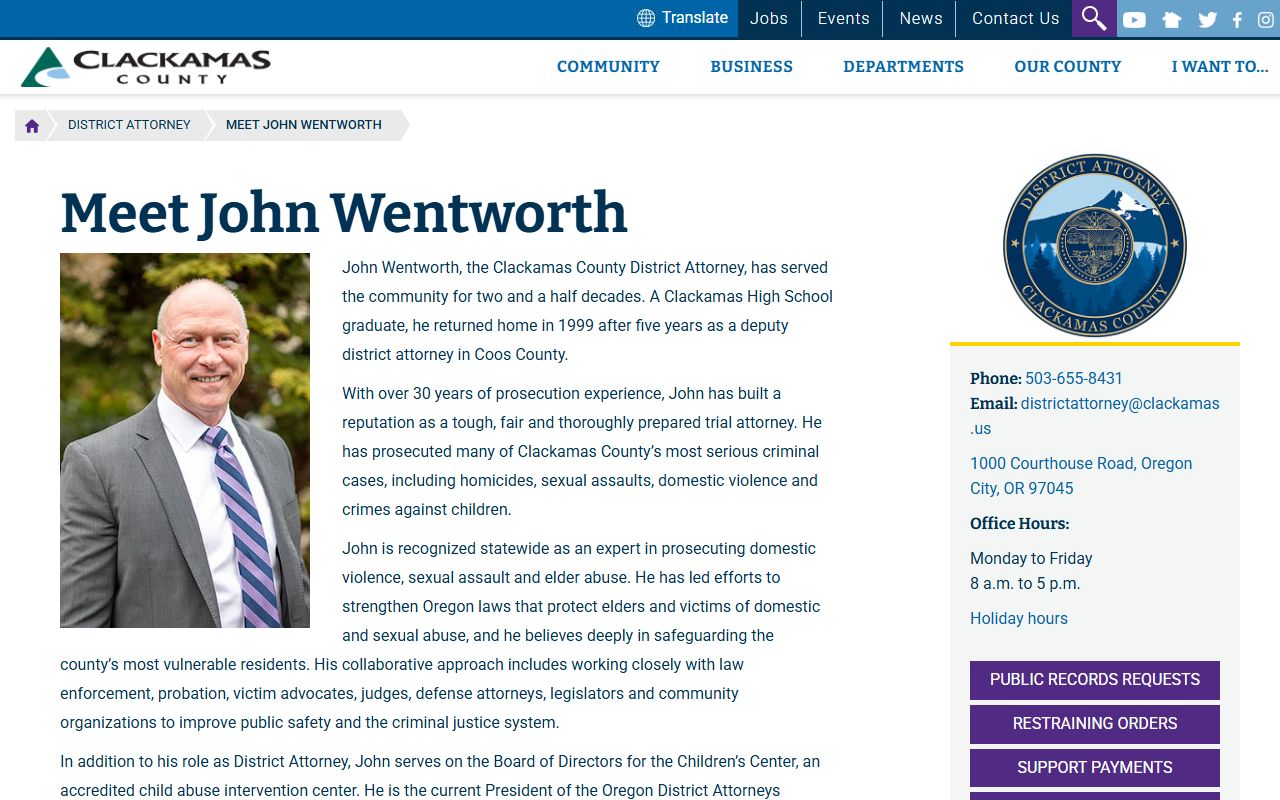
Once police make an arrest, the District Attorney decides whether to file charges. John Wentworth is the District Attorney. The county says he returned to Clackamas in 1999 after work as a deputy DA in Coos County and has more than 30 years of prosecution experience, including homicide, sexual assault, domestic violence, and crimes against children.
The DA's biography page lays out that background.
You can read more on the District Attorney biography page.
The office is large, with nearly 100 employees split across trial teams.
The DA's office structure is described on the DA about page.
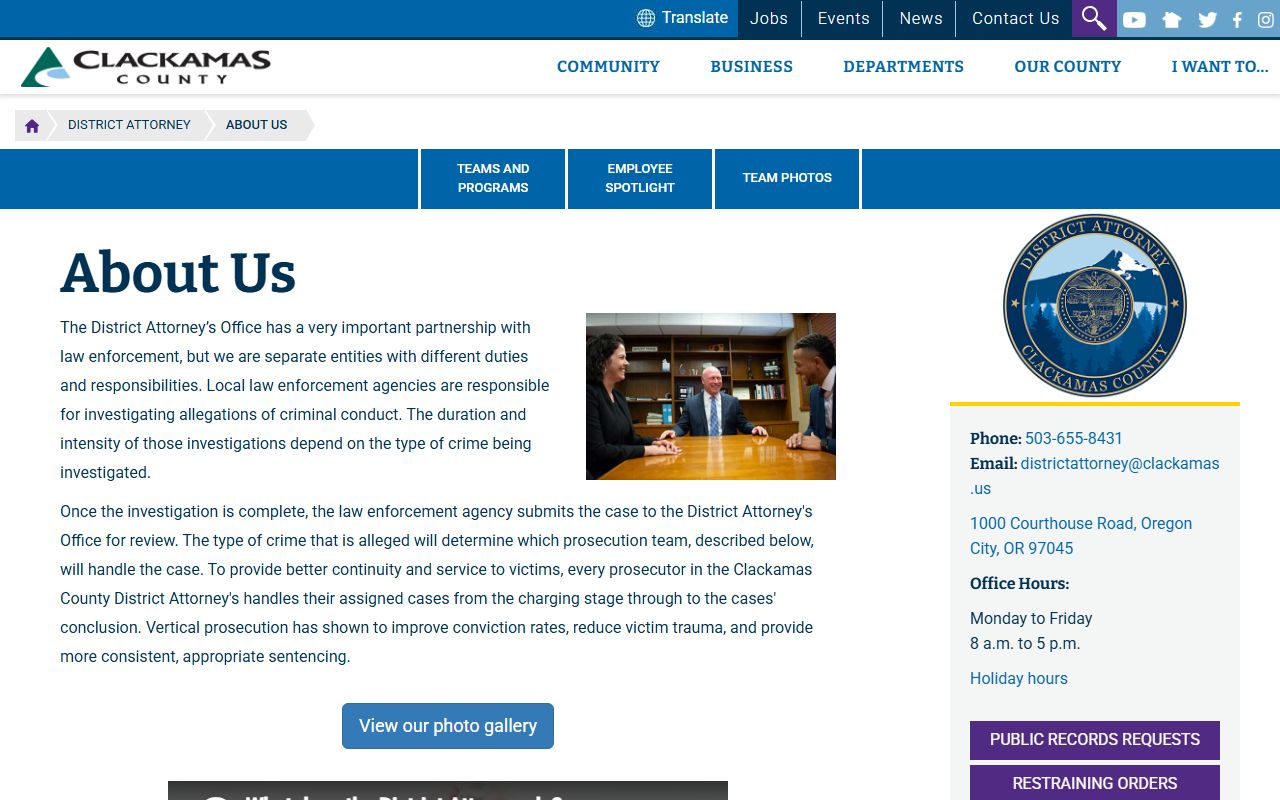
It includes felony, domestic violence, juvenile, misdemeanor, and family support teams, plus the deputy DAs assigned to the county's specialty courts.
Sealed vs. Expunged Records
Oregon mostly uses one process, called a set-aside, under ORS 137.225. A set-aside seals an eligible arrest, charge, or conviction and treats the event, for many purposes, as if it never occurred. People often call it expungement, but Oregon rarely destroys records outright. Eligibility turns on the offense, the waiting period, completion of the sentence, and later criminal history.
| Sealed (Set Aside) | Expunged | |
|---|---|---|
| Visibility | Hidden from routine public searches | Treated as if it never existed |
| Law Enforcement | Limited access remains | Very limited, with statutory exceptions |
| Oregon Term | Set aside under ORS 137.225 | Oregon mainly seals; full destruction is rare |
| Eligibility | Depends on offense type, waiting period, completed obligations, and clean later history | |
Court staff cannot give legal advice, and the DA can object if a motion is defective. More restrictions sit on the court records page.
Statewide and Federal Criminal Records
A county arrest record is not a full criminal history. For that, Oregon uses a separate process. Oregon State Police maintain criminal-history information under ORS Chapter 181A, which governs how criminal justice information is shared.
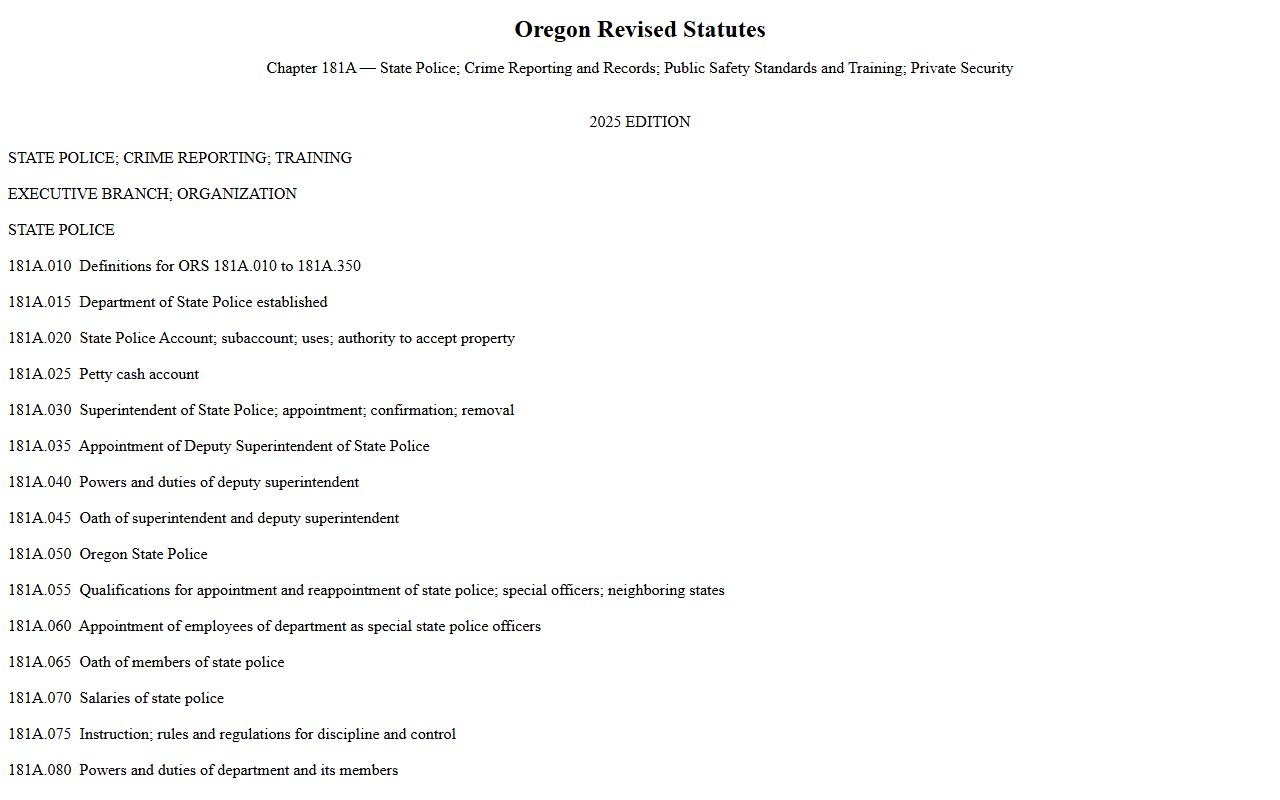
A formal background report from OSP under that chapter is a different product from a court file or a jail roster.
Some serious cases are federal, not county. Federal charges in this area run through the U.S. Attorney's Office.
The U.S. Attorney's Office for the District of Oregon prosecutes federal crimes tied to the county.
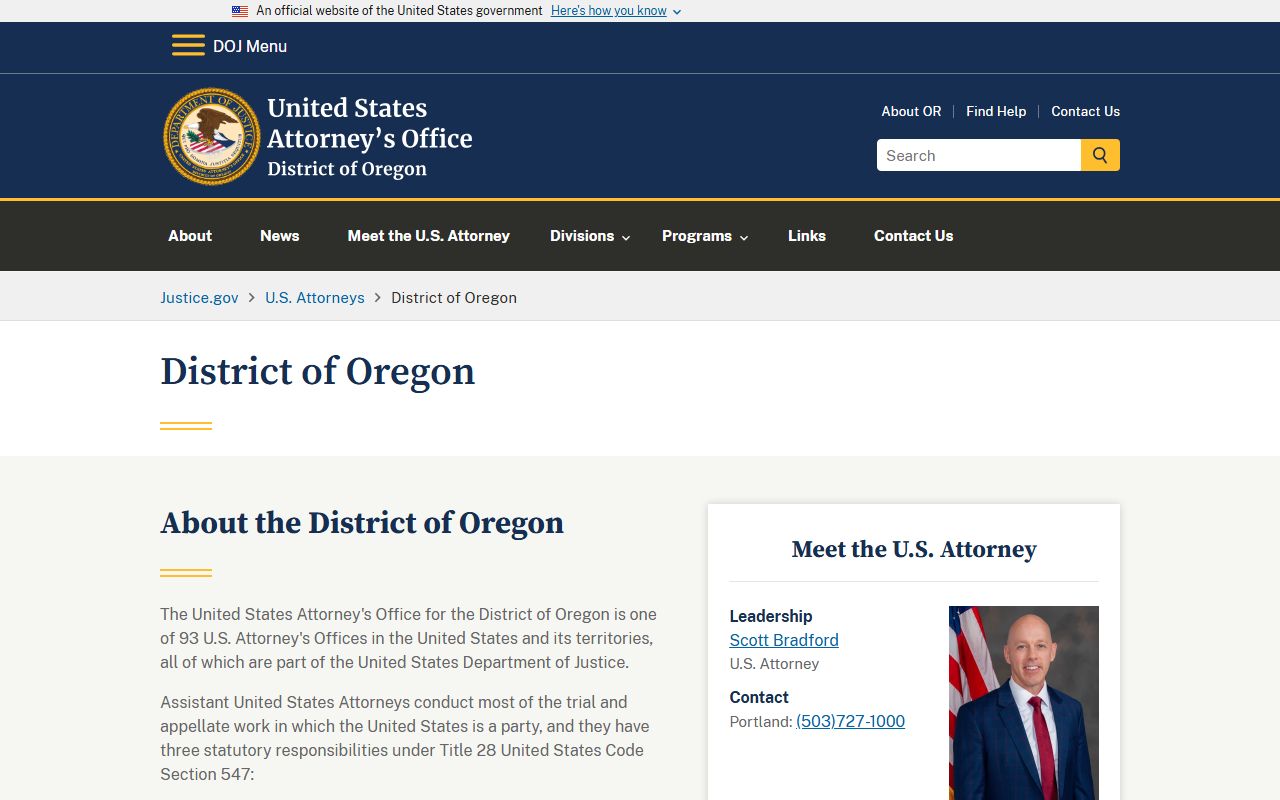
Federal arrest and case records are held by federal agencies, not the Clackamas County Sheriff.
Victim Services and DA Initiatives
The DA's office pairs prosecution with victim support. Victim advocates are on call around the clock with prosecutors and investigators. In 2025 the office pushed hard on services for victims of family violence and sexual assault.
One county announcement set a clear goal for that work.
A 2025 county release said the DA wants Clackamas County to be a national leader in aiding victims of family violence and sexual assault.
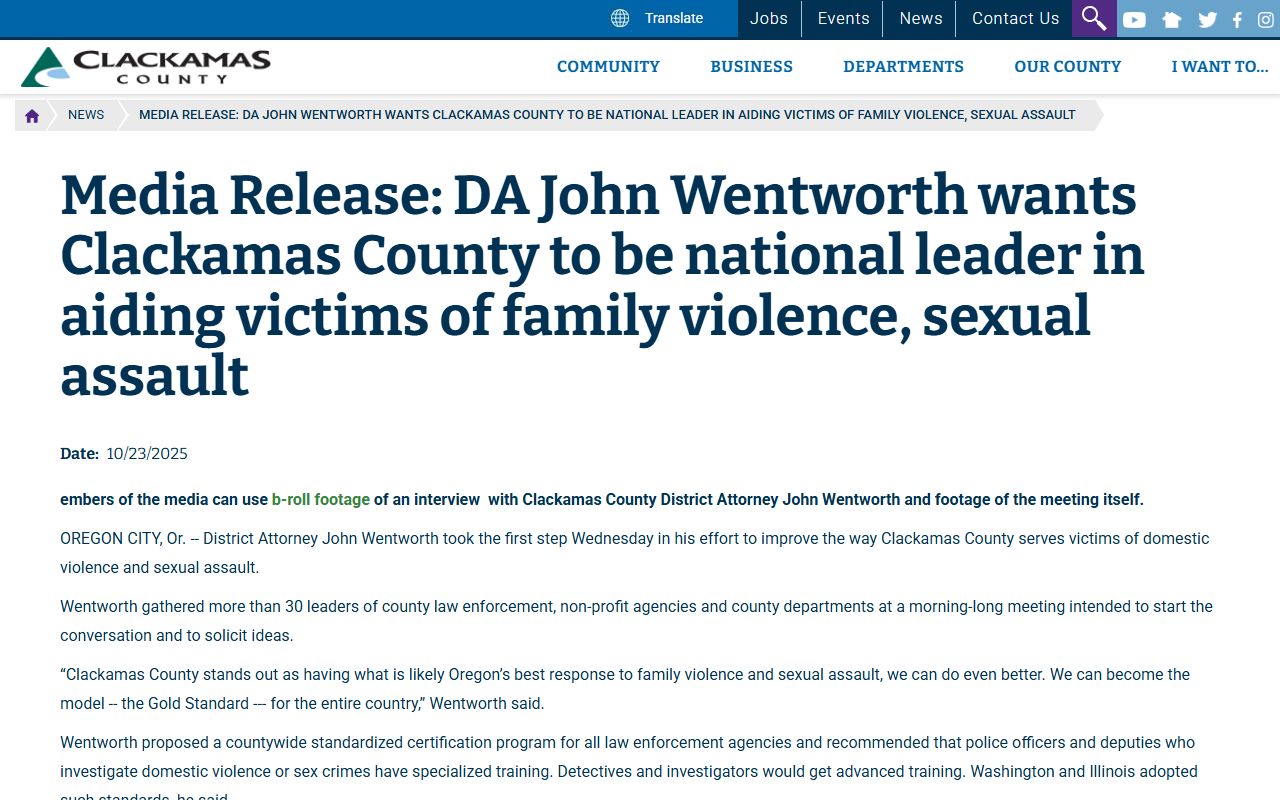
Victim services connect to many arrest cases, especially in domestic violence and abuse matters.
Funding for that work has been under pressure.
An August 2025 release covered the loss of critical funding for Oregon crime victims.
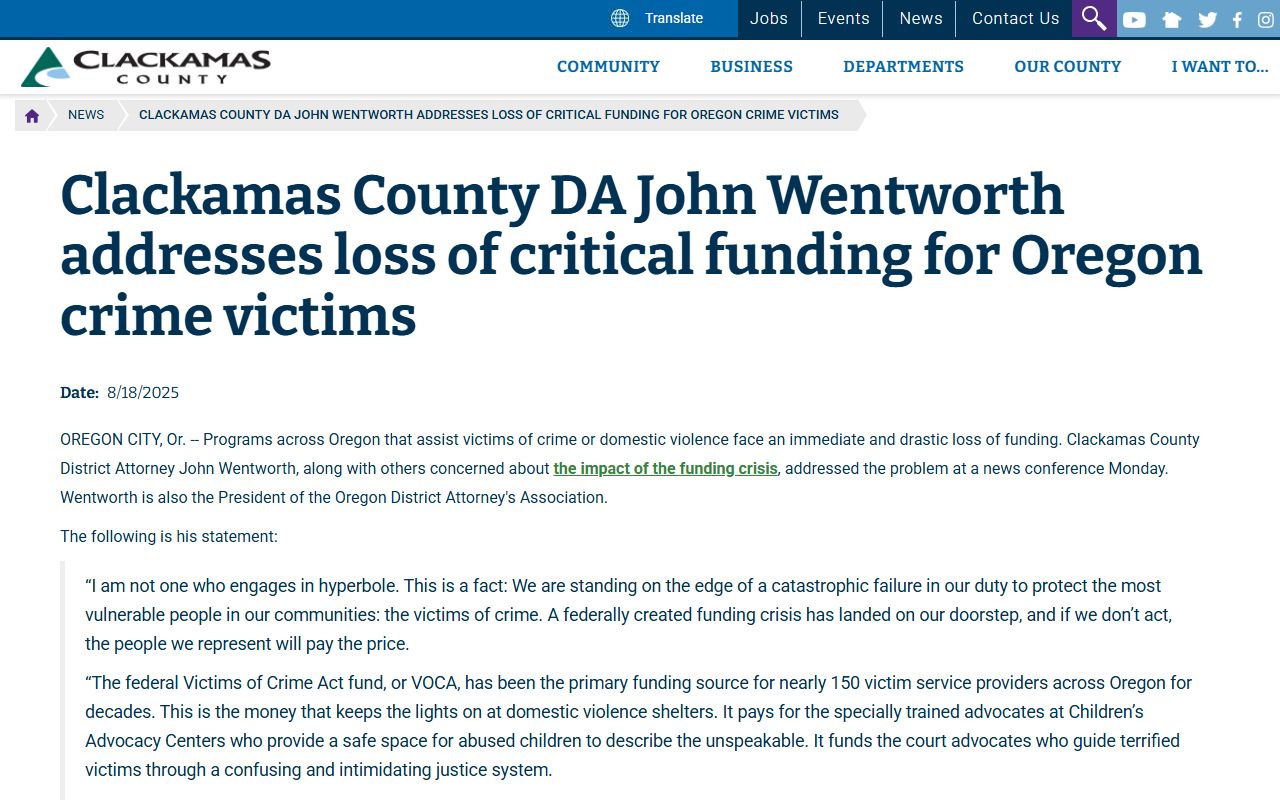
The funding story matters because victim support is tied to how arrest cases move forward.
Right to Counsel After an Arrest
A person arrested in Oregon has the right to a lawyer. Those who cannot afford one can ask the court to appoint counsel. The system is run by the Oregon Public Defense Commission. Oregon has faced a public defense shortage, and recent state court action set deadlines for appointing counsel to unrepresented defendants.
The state agency handles that appointed-counsel system.
The Oregon Public Defense Commission oversees indigent defense statewide.
For Clackamas-specific steps, the Circuit Court criminal counter is the place to ask about appointed counsel.
Background Check Considerations
A casual name search is not a background check. A real background check under federal law follows strict rules and uses approved sources. Arrest data alone can be incomplete or out of date, and using it the wrong way can break the law.
Important: This site is not a consumer reporting agency under the FCRA, and its information may not be used for credit, employment, tenant, or insurance decisions.
Restricted Criminal Records in Clackamas County
Some criminal records are off limits. Juvenile records are restricted under ORS 419A.255. Sealed and set-aside records drop out of routine public searches. Ongoing investigations can be withheld under public records exemptions. Grand jury material is not public until charges or documents become public through the court.
If an arrest leads to a warrant, the warrant records page covers the search and surrender steps. For people in custody, see inmate records. DUII cases often cross into traffic, which the traffic court records page explains.